

By Gina Petrucelli, NP | Sereniva Health | Toms River, NJ
Starting a GLP-1 medication is a big step, and most patients come in with a mix of excitement and nerves. “Will I feel sick?” “How fast will I see results?” “What do I actually do?”
The first month is different from what most people expect in both good ways and hard ways. Here’s an honest, week-by-week guide to what’s actually happening in your body, and what to do (and not do) to set yourself up for the best possible outcome.
Before Your First Injection: What Sereniva Does First
We don’t just hand you a prescription. Before we prescribe anything at Sereniva Health, we conduct:
- A full medical consultation to review your health history and goals
- Lab work to assess your baseline metabolic markers (blood sugar, thyroid, liver function, etc.)
- A medication selection discussion, semaglutide vs. tirzepatide, dose, and protocol
Once we determine the right medication, your compounded GLP-1 ships directly to your door. We start everyone at the lowest therapeutic dose and increase gradually, this is the single most important thing you can do to minimize side effects.
Week 1: Your Body Is Adjusting
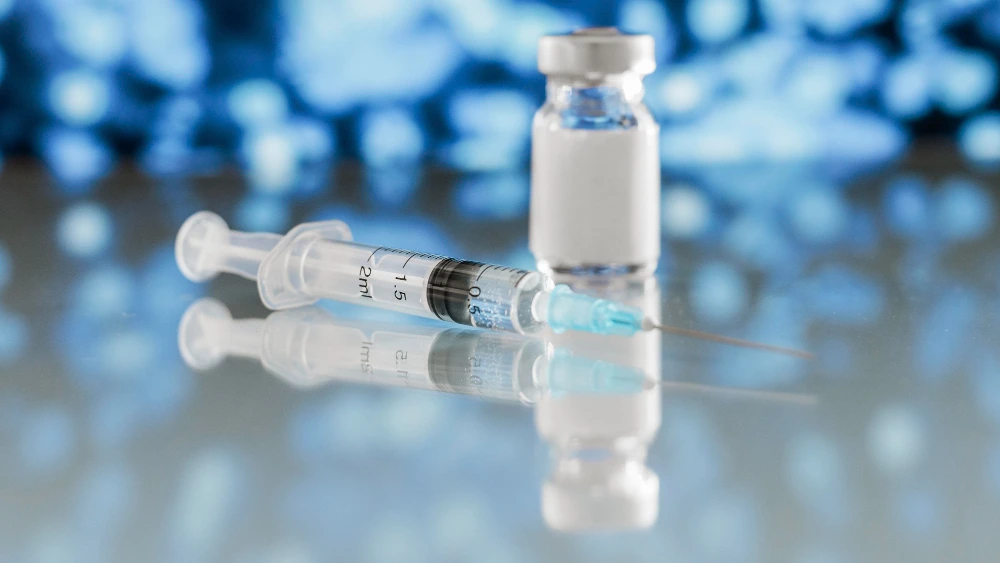
The first week, you’ll take your first injection. For most patients, the syringe is much less intimidating than expected, it’s a tiny subcutaneous needle (just under the skin), and the injection itself takes seconds.
What most people notice in Week 1:
- Reduced appetite: often within the first 24–72 hours. This is the medication working.
- Possible nausea: the most common side effect, typically mild to moderate. It tends to peak in the first 1–2 weeks.
- Feeling full faster: you may find you can’t finish meals you used to eat easily.
- Some fatigue: your body is adjusting to a new hormone signal.
Tips for Week 1:
- Eat smaller portions, slowly. Don’t force yourself to finish a meal.
- Avoid high-fat, greasy, or very rich foods, these worsen nausea.
- Stay hydrated. Sip water throughout the day.
- Limit alcohol in Week 1, it amplifies nausea and can mask how you’re feeling.
What’s normal vs. what’s not: Mild nausea, reduced appetite, and some fatigue are normal. Severe vomiting, inability to keep food or water down, severe abdominal pain, or rapid heart rate, call us.
Week 2: Side Effects Peak, Then Usually Improve
If you had nausea in Week 1, Week 2 is often when it peaks, and then begins to ease. Your GI tract is adapting to the slower gastric emptying that GLP-1 medications cause.
Most patients tell us that by the end of Week 2, they start to feel more “normal”, just with a noticeably smaller appetite.
What most people notice in Week 2:
- Nausea beginning to improve (if present)
- Appetite continues to be noticeably reduced
- Early weight changes, often 2–5 lbs in the first two weeks, though this varies
What helps:
- Protein first. Focus on getting protein at every meal, it helps maintain muscle mass and keeps you satiated.
- Don’t skip meals. Small, regular meals prevent nausea from worsening on an empty stomach.
- Ginger tea, ginger chews, or plain crackers can help with nausea.
Weeks 3–4: Finding Your New Normal
By weeks 3 and 4, most patients have adjusted to the medication. Side effects have settled, and you’re getting used to feeling satisfied with less food.
What most people notice in Weeks 3–4:
- Clothes fitting slightly differently
- Less interest in snacking or evening eating
- “Food noise” quieting down, that constant background hum of cravings simply gets quieter
- Steady, gradual weight loss
- Energy beginning to improve as your body stabilizes
Realistic Results: What to Expect on the Scale in Month 1
We want to set realistic expectations here, this is where patients can get frustrated if they’re measuring success by the scale alone.
Average weight loss in month 1: 4–8 lbs (roughly 2–3% of body weight)
This varies based on your starting weight, which medication and dose you’re on, how closely you’re following nutrition guidance, and your individual metabolism.
Here’s the important context: GLP-1 medications are not a quick fix. They work by changing your relationship with hunger and food over time. The clinical studies that showed 15–22% total weight loss were conducted over 68 weeks, not 4 weeks. Month 1 is about establishing the medication, adjusting your body, and building habits that compound over time.
Common Questions in the First Month
Can I drink alcohol?
We recommend limiting alcohol, especially in the first few weeks. It can worsen nausea, irritate the stomach, and interfere with progress. An occasional drink is generally fine once you’ve adjusted, we’ll talk through it at your check-in.
What should I eat?
Focus on lean proteins, vegetables, and whole foods. Avoid fried, greasy, or very rich foods. Eat smaller meals, more slowly. Don’t skip meals.
What if I’m not hungry, do I still have to eat?
Yes. Eat small amounts regularly even if you don’t feel hungry. Skipping meals on GLP-1 medications can lead to nausea and muscle loss.
Can I exercise?
Absolutely, and we encourage it. Exercise amplifies the results of GLP-1 medications. Start gently in Week 1 if you’re having side effects, then build from there.
What if I miss a dose?
Take it as soon as you remember, as long as it’s within 5 days of your scheduled injection. If it’s been more than 5 days, skip that dose and resume your regular schedule. Never double up.
When to Contact Your Provider
Contact Sereniva Health if you experience:
- Severe nausea or vomiting that prevents eating or drinking
- Severe abdominal pain (especially upper abdomen or radiating to the back)
- Signs of low blood sugar: shaking, sweating, confusion, rapid heartbeat
- Swelling of the face, lips, or throat (possible allergic reaction)
- Unusual fatigue or yellowing of the skin or eyes
For milder concerns, nausea that’s hard to manage, questions about eating, or anything that feels off, just message us. We’re here to support you through the adjustment period, not just hand you a medication and disappear.
Your 1-Month Check-In at Sereniva Health
At the one-month mark, we schedule a check-in to:
- Review how you’re tolerating the medication
- Assess your weight loss progress
- Adjust your dosing if appropriate
- Answer questions and troubleshoot side effects
- Review your nutrition and lifestyle habits
The dose titration schedule, gradually increasing your dose over months, is how we get you to the therapeutic level where maximum results happen while keeping side effects manageable.
Ready to Get Started?
The first month is the adjustment period. Months 2, 3, and beyond are where the transformation really happens. We serve patients across Toms River, Ocean County, and Monmouth County in New Jersey, and throughout New York, via telehealth.
Gina Petrucelli, NP is a board-certified Family Nurse Practitioner and the founder of Sereniva Health, a medical weight loss practice serving patients in Toms River, NJ and via telehealth across New Jersey and New York. She specializes in GLP-1 medication management, metabolic health, and sustainable weight loss.