






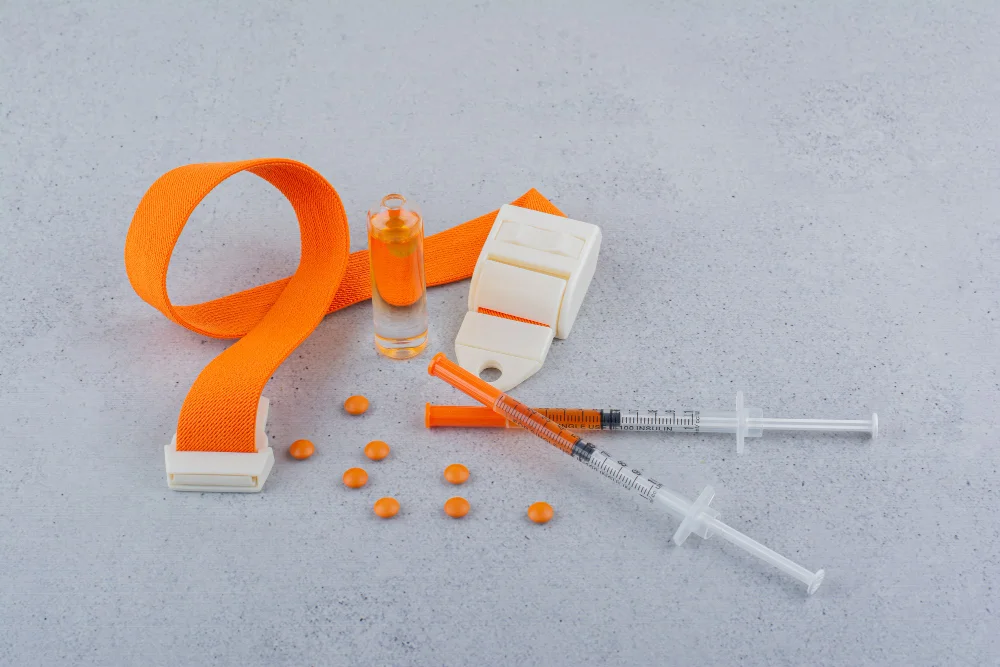
What is the difference between compound semaglutide and ozempic centers on approval, consistency, dosing flexibility, and access. Ozempic is a manufacturer product approved for diabetes care and often used for weight loss under supervision. It has uniform ingredients and verified strength with consistent weekly dosing. Compounded semaglutide is prepared by a licensed pharmacy for one patient. It can allow smaller dose steps and may be available when brands are hard to obtain, but quality depends on the pharmacy and careful measuring. For weight loss, results are similar when weekly dose exposure and adherence match. Safety relies on clear training, proper storage, routine follow ups, and timely lab review. Choose the option you can use safely, consistently, and affordably with your clinician.
Key Differences For Weight Loss
The question what is the difference between compound semaglutide and ozempic matters for weight loss. Both act on GLP 1 receptors to curb appetite and enhance fullness. Ozempic is a brand name medicine approved for type 2 diabetes. Many clinicians also use it for weight loss under supervision. Compounded semaglutide is prepared by licensed compounding pharmacies for individual prescriptions. Regulatory status differs and shapes consistency, labeling, and insurance coverage. Brand pens deliver fixed, verified doses with uniform excipients. Compounded products often use multi dose vials and syringes. Smaller dose steps can help people who need gentler titration. Quality with compounding depends on sourcing and pharmacy controls. Access and cost vary by plan, supply, and location. Real results depend on dose exposure, adherence, protein intake, and activity. Choose with your prescriber after reviewing coverage, availability, and personal risks.
Compounded Semaglutide vs Ozempic At A Glance
Ozempic provides standardized pens and a defined dose schedule. That design supports predictable weekly dosing and simple training. Compounded semaglutide allows custom dose increments and volumes. Custom steps can reduce nausea and improve day to day comfort. Brand products have consistent formulation and stability data. Compounded products rely on the specific pharmacy’s procedures and sourcing. When criteria are met, the insurance company approves brand coverage. Many patients pay out of pocket for compounded options at a lower cost. Supply constraints can affect either path at different times. Weight loss outcomes hinge on reaching a tolerated dose and staying consistent. Monitoring, protein targets, and movement habits influence the final pace.
Definitions And Approval
The question what is the difference between compound semaglutide and ozempic begins with definitions and approval. Both contain semaglutide, but their pathways differ. Ozempic is an FDA approved brand for type 2 diabetes. Wegovy is an FDA approved brand for chronic weight management. Compounded semaglutide is not an FDA approved finished drug. It is prepared for an individual prescription by a licensed pharmacy. Compounding follows state and federal pharmacy rules. It may be considered when a brand is unavailable or unsuitable. Understanding these pathways frames every later comparison.
What Does Compounded Semaglutide Mean
Compounded semaglutide is a customized medication prepared by a licensed compounding pharmacy for a single patient on a prescription. It is not an FDA approved finished product. The pharmacy follows compounding standards and uses semaglutide with selected excipients. The medication is usually dispensed in multi dose vials and measured with syringes.
That format enables very small dose adjustments during titration. Ingredients and concentration may differ by pharmacy, so training and storage instructions matter. Insurance coverage is inconsistent and often out of pocket. Clinicians consider compounding when branded pens are unavailable or unsuitable. Understanding these features clarifies what is the difference between compound semaglutide and ozempic.
What Ozempic Is And How It Compares To Compounded Semaglutide
Ozempic is a branded semaglutide injection approved for diabetes care. Many clinicians also use it for weight loss under supervision. The pen delivers standardized weekly doses with fixed ingredients. Manufacturing follows strict quality and stability controls. Training is simple because the dialed dose is consistent each week.
Compounded semaglutide is prepared for one patient by a licensed pharmacy. It is not an FDA approved finished product. Pharmacies dispense multi dose vials that you measure with syringes. This format allows smaller dose steps during titration. Quality depends on sourcing and the pharmacy’s procedures.
Both options work through the same GLP 1 pathway. Appetite falls and fullness lasts longer between meals. Results depend on dose exposure, adherence, protein intake, and activity. Ozempic offers convenience and consistent formulation. Compounded semaglutide offers flexibility and potential access during shortages. Coverage often favors the brand, while compounding is often out of pocket. Selection should match goals, tolerance, access, and budget.
How They Drive Weight Loss
Both options act on GLP 1 receptors that regulate appetite. Signals in the hypothalamus and brainstem reduce hunger. Gastric emptying slows, so fullness lasts longer after meals. Blood sugar swings ease, which reduces cravings and evening snacking. Meal size shrinks and grazing becomes less frequent. Total intake falls more than energy burn changes. These effects explain most early weight loss on therapy. This section clarifies what is the difference between compound semaglutide and ozempic in practice.
Shared Mechanism For Appetite Control
Semaglutide enhances satiety signals along vagal pathways. The brain receives stronger fullness cues during and after meals. People feel satisfied with smaller portions at normal times. Hedonic eating tends to fade as reward drive softens. Slower stomach emptying stretches time between meals comfortably. Glucose control improves, which steadies daytime energy. Fewer highs and lows mean fewer urgent snack urges. The net effect is a consistent calorie deficit without white knuckling.
Formulation Differences That Affect Tolerance
Ozempic pens deliver fixed concentrations with precise increments. That design simplifies training and reduces measuring errors. The excipient profile is consistent across lots. Injection volume and feel remain predictable week to week. Many people tolerate this well with standard titration. Compounded vials can offer finer dose steps. Smaller weekly increases may reduce nausea for sensitive users. Concentration and excipients can vary by pharmacy procedures. Vials require syringes and careful measuring technique. Storage and handling need clear teaching to avoid waste. People who prefer convenience often choose the pen format. Those needing micro titration may prefer custom vial steps.
Effectiveness And Results
Effectiveness is best judged by percent weight lost at set checkpoints. Use seven day averages to smooth normal fluctuations. Record every injection date, time, and planned dose. Calculate the dose actually received each week. Pens deliver very consistent exposure with simple training. Compounded vials can match this when measuring is precise. Track twelve week and twenty four week trends for context. Include waist change and, if possible, composition checks. This keeps the focus on execution rather than labels. It also clarifies what is the difference between compound semaglutide and ozempic in practice.
Is Compounded Semaglutide As Good As Ozempic
Effectiveness is the percent of body weight lost over time. When weekly dose exposure is equivalent, outcomes are comparable. Pens deliver highly consistent doses with minimal variance. Compounded vials can match results with accurate measuring. Pharmacy quality and clear instructions are essential. Adherence across months matters more than brand labels. Waist change and composition trends often mirror weight trends. In the question what is the difference between compound semaglutide and ozempic, similar exposure usually yields similar results.
Why Individual Results Differ By Dose And Adherence
Results diverge when exposure or persistence drops. Failing to reach a tolerated maintenance dose slows progress. Missed or delayed injections cut weekly exposure. Prolonged nausea can interrupt titration and reduce intake quality. Inaccurate syringe draws create dose underdelivery. Storage errors can lower potency between weeks. Consistent timing and site rotation stabilize absorption. Reliable dosing plus steady adherence produces stronger, steadier weight loss.
Safety And Quality
Safety and quality drive trust and outcomes. In what is the difference between compound semaglutide and ozempic, the paths to quality differ. Branded pens use centralized manufacturing with fixed excipients. Compounded vials depend on the individual pharmacy’s controls. Your choice should weigh reliability, consistency, and oversight.
Compounding Standards And Source Quality
Compounded injections must come from a licensed pharmacy. Sterile preparation requires cleanroom controls and trained staff. Pharmacies should document ingredient source and potency. Ask for a certificate of analysis for each lot. Verify that sterility and endotoxin tests are performed. Beyond use dating must reflect stability data. Concentration should be clear on the label and guide syringe selection. Storage conditions need written instructions you can follow. Training should cover dose measurement and vial handling. Choose vendors with transparent procedures and responsive support.
Does Ozempic Cause Blood Clots
Blood clots are not a typical effect of semaglutide therapy. Most clot risk relates to personal history and immobility. Dehydration and smoking can also raise risk. Report leg swelling, chest pain, or sudden breathlessness immediately. Discuss individual clot risk with your clinician before treatment. Consider alternative options if your risk is high. Monitor hydration and activity during dose changes. Seek urgent care for any warning signs.
Side Effects Most Relevant To Weight Loss
Nausea is the most common early effect. Smaller meals and slower titration improve comfort. Constipation occurs with lower intake and dehydration. Fluids, fiber, and timing help prevent this. Rare events include pancreatitis and gallbladder issues. Severe abdominal pain needs urgent evaluation. Rapid glucose change can worsen retinopathy in diabetes. Eye symptoms require prompt review. Appetite can become very low during titration. Protect lean mass with protein and planned strength work. Hold the dose if fatigue or intake concerns persist.
Dosing And Titration
Titration sets exposure while limiting side effects. Pens use fixed dose steps. Compounded vials allow finer steps. The aim is a tolerated maintenance dose you can sustain. Use the same day each week and rotate sites. Steady timing stabilizes absorption and results. These dosing principles clarify what is the difference between compound semaglutide and ozempic.
Typical Ozempic Titration For Weight Management
Typical start is 0.25 mg weekly for at least four weeks. Advance to 0.5 mg weekly for four weeks. Move to 1 mg weekly if tolerated. Some reach 2 mg weekly for added effect. Keep the same weekly day and time. Avoid splitting the weekly dose. Hold the current step if nausea persists. Extend a step by two more weeks when needed. Step back one level after severe symptoms. Resume upward steps once comfort returns for two weeks. Log date, dose, and symptoms after each injection. Pens reduce measuring error and support adherence.
Custom Dose Plans With Compounded Semaglutide
Compounded vials enable smaller weekly increases. Clinics may use steps of 0.1 or 0.25 mg. Micro steps can ease nausea for sensitive users. Concentration determines the syringe volume you draw. Confirm the concentration on every new vial. Use the same syringe type each week. Measure at eye level for accuracy. Keep the same weekly day and time. Hold a step until appetite and energy feel stable. Increase only when the prior week felt comfortable. Step back after significant side effects, then hold. Store vials as instructed by the pharmacy. Track lot numbers and opening dates for reference. Precise measuring helps match pen exposure.
Weight Loss Medication Prescriptions With Sereniva Telehealth
Sereniva delivers medical weight loss by telehealth. Care is led by Gina Petrucelli, FNP BC. Initial follow ups occur about every four weeks. Visits review weight, measurements, symptoms, and side effects. Dosing and titration are adjusted during each review. Secure messaging supports quick questions between visits.
Sereniva order and review labs to personalize dosing decisions. Typical baseline labs include metabolic and glycemic panels. Lipids, hematology, thyroid, and selected hormones are reviewed. Monitoring cadence generally occurs every three to six months. Prescription support evaluates GLP 1 and GIP therapies and other options. Education covers medication use and side effect prevention strategies. Partner pharmacies handle coordination and prior authorization when applicable.
People can receive medications through Sereniva. Compounded choices include semaglutide with B6 and tirzepatide with B6. Additional compounded options include liraglutide and phentermine combinations. Brand choices include Wegovy, Zepbound, Saxenda, Contrave, and Qsymia. Additional brands include Adipex P, Lomaira, Xenical, Alli, Plenity, and Imcivree. Some conditions may use metformin in specific cases like PCOS. During counseling we explain what is the difference between compound semaglutide and ozempic. That discussion supports informed selection based on access and tolerance.